Back
20th Biennial Workshop · Ghana Blue Economy
550 km
coastline
Extraordinary natural asset, lifeblood for millions, from Keta to Axim.
60%
animal protein from fish
Ghana’s per capita fish consumption among world’s highest (Asiedu et al., 2018).
-59%
landings decline (1993–2019)
Sardinella catch collapsed from 119k to 11k tons (Lazar et al., 2020).

Ghana’s coastal soul: a 550‑kilometre coastline of immense ecological significance, yet at a crossroads. This background sets the stage for our 20th Biennial Workshop — because securing our shores begins with understanding them.

Fish & food security

The coastal zone provides vital ecosystem goods and services, among which fish remains the most important for food security. In Ghana, fish accounts for over 60% of animal protein intake. The nation’s marine catch is dominated by small pelagic species such as sardinella and mackerel, which constitute approximately 70% of total marine landings.

However, these critical fish stocks are severely overexploited, with some nearing collapse. Between 1993 and 2019, average fish landings declined by about 59%, while the annual catch of sardinella — a key staple — fell from 119,515 to just 11,834 tons.

Small pelagics: at risk

Sardinella and mackerel represent 70% of marine landings, yet their biomass has dropped dramatically. Without urgent action, the cultural and nutritional backbone of coastal communities could disappear.

187 coastal fishing communities depend directly on fisheries for income and employment.

Mounting pressures

Pollution & mining

Elevated lead, copper, and iron above recommended limits in Pra and Ankobra estuaries, linked to illegal gold mining (Faseyi et al., 2022).

Oil spills & plastics

Frequent plastic waste, oil spills, and industrial runoff degrade mangroves and nursery habitats.

Climate change

Warming waters, acidification, and shifting fish stocks add uncertainty to an already stressed system.

Illegal, unreported and unregulated (IUU) fishing further accelerates stock depletion, threatening livelihoods and food security.

Renewed national commitment

  • Fisheries & Aquaculture Act, 2025 (Act 1146) – legal backbone for sustainable management, compliance and aquaculture.
  • Ghana Blue Economy Strategy – coordinated framework for sustainable marine use, economic diversification.
  • Marine Protected Area (MPA) – final stage of establishment at Greater Cape Three Points.
  • Support from FAO, World Bank, USAID, Norad and civil society.
  • Aquaculture boom – modern tech, better feed, biosecurity, jobs for youth.
  • Digital & AI integration – smart aquaculture, autonomous vehicles, seawater monitoring.
“Emerging tools such as artificial intelligence, smart aquaculture systems, and autonomous marine vehicles offer opportunities to enhance productivity, sustainability, and resource efficiency across the sector.”

Yet limited infrastructure and technical capacity constrain widespread adoption — a key theme for our workshop.

Only together

Addressing these complex challenges requires stronger collaboration among government agencies, research institutions, the private sector, development partners, and fishing communities. Knowledge exchange, scaling innovation, and coordinated action are essential for achieving Ghana’s food security objectives while safeguarding aquatic ecosystems.

Register for the workshop

20th Biennial Workshop

23 September 2026 · Cape Coast

The road to resilience

From the Fisheries and Aquaculture Act 2025 to the emerging MPA at Cape Three Points, Ghana is laying the groundwork for a sustainable blue economy. This workshop will gather the brightest minds to accelerate progress.

  • 550 km coast – immense potential
  • 59% decline reversed? not yet
  • 187 communities at the forefront
  • AI & marine tech on the horizon
20th Biennial Workshop · Objectives & framework

Workshop aim

The aim of this workshop is to brainstorm and develop a multi‑stakeholder, science and technology‑based action framework that identifies and prioritizes integrated strategies for leveraging Ghana's Blue Economy to enhance national food security, while ensuring the long‑term health and resilience of coastal ecosystems.

Specific objectives

Multi‑stakeholder forum: Create a platform for scientists, policymakers, industry, and communities to share knowledge and innovative strategies for harnessing coastal resources to directly enhance food security.

Cross‑sectoral integration: Explore strategies to advance integration for a resilient and sustainable Blue Economy.

Science & innovation: Assess methods to harness science, technology and innovation in building a resilient aquaculture sector in Ghana.

Digital & marine tech: Evaluate pathways for integrating marine and digital technologies to achieve smarter fisheries management.

Protecting the coastline: Examine approaches for using innovative technologies to protect Ghana's Blue Economy against environmental degradation and illegal mining.

Subthemes

1. Cross‑sectoral integration

Advancing cross‑sectoral integration for a resilient and sustainable Blue Economy.

2. Science & innovation

Harnessing science and innovation for building a resilient aquaculture sector in Ghana.

3. Digital fisheries

Leveraging marine science and digital technology to achieve smarter fisheries management.

4. Environmental protection

Innovative technologies for protecting Ghana's Blue Economy against environmental degradation and illegal mining.

Expected output

FRAMEWORK

📋 Framework that will enhance cross‑sectoral integration to advance Ghana's Blue Economy.

ROADMAP

🗺️ Roadmap on how science, technology and innovation can be harnessed to build a resilient aquaculture sector.

EVIDENCE SYNTHESIS

📊 Science‑based evidence synthesis and recommendations for addressing the effect of environmental degradation and illegal mining on Ghana’s coastline.

SMART STRATEGIES

🤖 Strategies to achieve smarter fisheries management using marine science and digital technologies.

Join the workshop

20th Biennial Workshop · 23 September 2026 · Cape Coast

20th Biennial Workshop · Subthemes & speakers

Subthemes & speakers
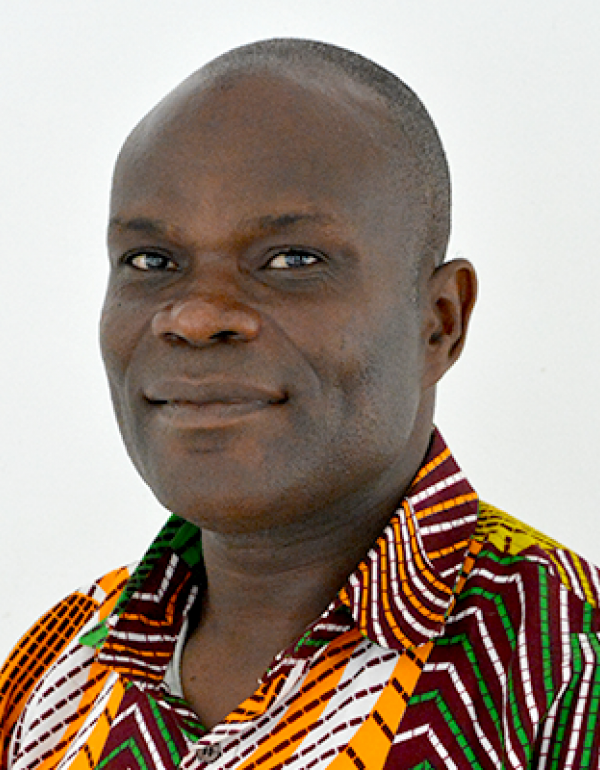
Prof. Precious Agbeko Mattah

Prof. Precious A. Mattah

African Centre of Excellence in Coastal Resilience, UCC
1. Advancing cross‑sectoral integration for a resilient and sustainable Blue Economy.

Dr. Ruby Asmah

Dr. (Mrs.) Ruby Asmah

Fisheries & Aquaculture Division, Water Research Institute (CSIR)
2. Harnessing science and innovation for building a resilient aquaculture sector in Ghana.
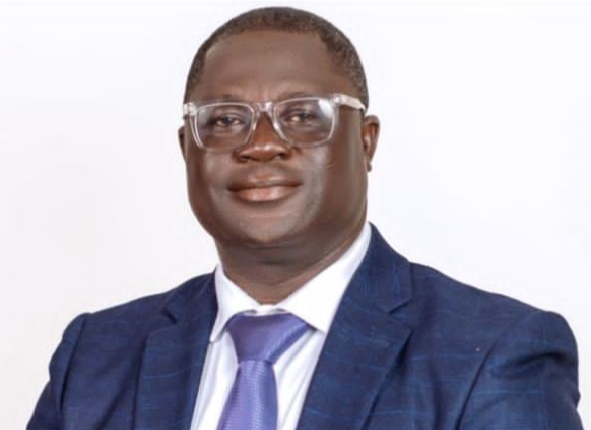
Prof. Ernest Amankwa Afrifa

Prof. Ernest A. Afrifa

Department of Environmental Science, University of Cape Coast
3. Leveraging marine science and digital technology to achieve smarter fisheries management.
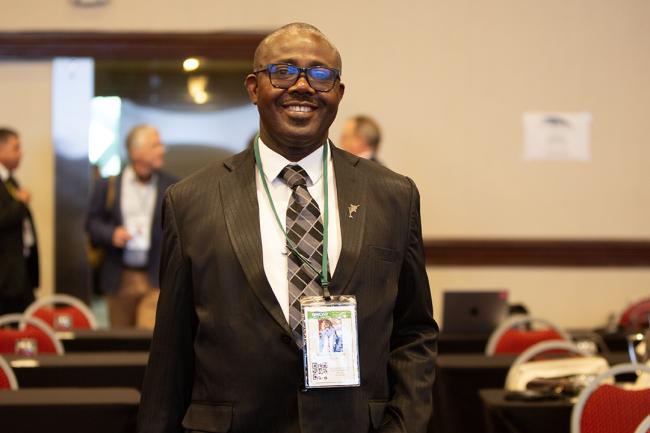
Prof. Francis K. E. Nunoo

Prof. Francis K. E. Nunoo

Department of Marine and Fisheries Sciences, University of Ghana
4. Innovative technologies for protecting Ghana's Blue Economy against environmental degradation and illegal mining.

Special guests

Keynote Speaker
The Minister, Ministry of Fisheries and Aquaculture
Special Guest I
The Minister, Central Region of Ghana
Special Guest II
Director, Fisheries Commission of Ghana
Chairman
Vice-Chancellor, University of Cape Coast

Collaborators

Ministry of Fisheries and Aquaculture
Fisheries Commission
Ministry of Food and Agriculture
Ministry of Environment, Science and Technology
Ghana Chamber of Aquaculture
Council for Scientific and Industrial Research
CSIR – Water Research Institute
Water Resources Commission (WRC), Ghana
National Premix Fuel Secretariat
National Petroleum Authority
Environmental Protection Authority (EPA), Ghana
Volta River Authority
Coastal Development Authority
African Centre of Excellence in Coastal Resilience
Dept. of Marine and Fisheries Sciences, UG
International Water Management Institute

Participants

Scientists & Technologists Public & Private Universities Policy Makers Government Institutions (MMDAs) Research Institutes Fishery Companies Environmentalists Traditional Rulers Students Media NGOs & Development Partners Faith‑Based Organizations Civil Society (CSOs) Fisheries‑Based Organizations (FBOs) General Public Central & Western Fishers Association Ghana National Canoe Fishermen Council National Fish Processors and Traders Association Canoe Owners & Fishermen Association Ghana National Aquaculture Association Ghana Tourism Authority

References

  • Ansah, J. W., & Oduro, G. Y. (2025). Blue economy risks and challenges in Ghana: a systematic literature review. Frontiers in Marine Science, 12, 1604330.
  • Asiedu, B., Failler, P., & Beygens, Y. (2018). Ensuring food security: An analysis of the industrial smoking fishery sector of Ghana. Agriculture & Food Security, 7(1), 1–11.
  • Faseyi, C. A., Miyittah, M. K., Sowunmi, A. A., & Yafetto, L. (2022). Water quality and health risk assessments of illegal gold mining-impacted estuaries in Ghana. Marine Pollution Bulletin, 185, 114277.
  • Lazar, N., Yankson, K., Blay, J., Ofori-Danson, P., Markwei, P., Agbogah, K., Bannerman, P., Sotor, M., Yamoah, K. K., & Bilisini, W. B. (2020). Status of the small pelagic stocks in Ghana in 2019. Scientific and Technical Working Group. USAID/Ghana Sustainable Fisheries Management Project.
  • Townhill, B., Harrod, O., Painting, S., Acheampong, E., Bell, J., Nyarko, B. K., & Engelhard, G. (2023). Climate change risk and adaptation for fisher communities in Ghana. Journal of Coastal Conservation, 27(5), 45.
  • Yakubu, S. A. (2022). Illegal Unreported and Unregulated Fishing is a Threat to Ghana’s Maritime Security: The Need to Strengthen Existing Mechanisms.
20th Biennial Workshop · 23 September 2026 · Cape Coast
Skip to content